

FABIAN SOCIETY
1. Long-term ideological influence
They shape policy across generations — which looks like continuity of power.
2. Elite networks
They connect politicians, academics, civil servants, and journalists.
3. Lack of public visibility
Most people don’t know they exist, yet they shape major policy debates.
4. Their own symbolism
The Fabian Society’s early logo was a wolf in sheep’s clothing — critics still point to this as symbolic of hidden influence.
Fabian Society – Network Map of Key People
This map is organised into four clusters:
Founders & Early Architects
Intellectual & Cultural Figures
Political Figures (Labour‑aligned)
Institutional Connections (LSE, civil service, think‑tanks)
Early Architects Core Ideological Network
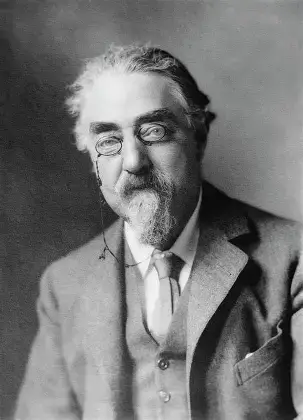
Sidney Webb
- Co‑founder
- Architect of early Labour policy
- Co‑founder of the London School of Economics
- Key driver of Fabian “gradualism”
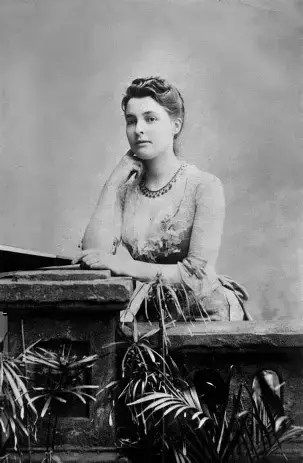
Beatrice Webb
- Co‑founder
- Social researcher, welfare reform pioneer
- Co‑author of foundational Fabian texts

George Bernard Shaw
- Playwright, public intellectual
- Early Fabian leader
- Helped shape the society’s public identity

Graham Wallas
- Political psychologist
- Early strategist and theorist
Intellectual & Cultural Figures Influence Network
H.G. Wells
- Briefly a member
- Criticised the society for being elitist
- His departure shaped the society’s internal culture
Annie Besant
- Activist, writer
- Early member involved in social reform
Bertrand Russell (loose association)
- Not a core member, but interacted with Fabian circles
- Influenced debates on socialism and state power
Network links:
Wells ↔ Shaw (clashed)
Besant ↔ Webbs (social reform)
Russell ↔ Fabian intellectual circles
Political Figures Labour Party Network
Clement Attlee
- Labour Prime Minister
- Former Fabian chairman
- Architect of the post‑war welfare state
Harold Wilson
- Used Fabian research in policy development
- Engaged with Fabian policy networks
Tony Blair
- Not a formal member, but heavily influenced by Fabian policy work
- “New Labour” drew extensively on Fabian research
Gordon Brown
- Used Fabian research in policy development
- Engaged with Fabian policy networks
Keir Starmer
- Not a member, but regularly engages with Fabian conferences and policy papers
- Many of his advisers come from Fabian networks
- Longstanding Fabian connections
Ed Miliband
- Former chair of the Young Fabians
- Deeply embedded in Fabian intellectual circles
Network links:
Fabian Society ↔ Labour leadership
Fabian Society ↔ Labour policy units
Fabian Society ↔ LSE‑trained civil servants
Institutional Connections Structural Network
London School of Economics (LSE)
- Founded by Webbs & Shaw
- Long-term pipeline for civil servants, economists, and policy advisers
- Houses the Fabian archives
Trade Unions
- Historically aligned through Labour
- Not formally part of the Fabian structure, but ideologically linked
Think‑tanks influenced by Fabian methods
- IPPR
- Institute for Fiscal Studies
- Resolution Foundation
(These are not Fabian organisations, but share methodological DNA)
Civil Service & Academia
- Many senior civil servants trained at LSE
- Fabian policy papers often feed into Whitehall consultations
Network links:
Fabian Society ↔ LSE ↔ Civil Service
Fabian Society ↔ Labour Party ↔ Trade Unions
Fabian Society ↔ Modern think‑tanks
How to Read This Network
The Fabian Society is not a secret society — but it is a long‑standing elite policy network with:
- Intellectual influence
- Institutional roots
- A pipeline into political leadership
- A century of ideological continuity
This is why it appears in discussions about influence, power, and long-term political shaping.
1. Long-term ideological influence
They shape policy across generations — which looks like continuity of power.
2. Elite networks
They connect politicians, academics, civil servants, and journalists.
3. Lack of public visibility
Most people don’t know they exist, yet they shape major policy debates.
4. Their own symbolism
The Fabian Society’s early logo was a wolf in sheep’s clothing — critics still point to this as symbolic of hidden influence.